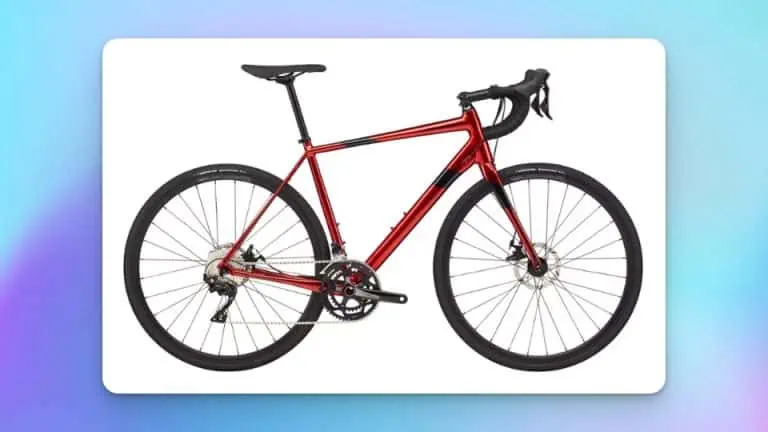
What Actually Breaks on a New Road Bike in the First 3,000 km
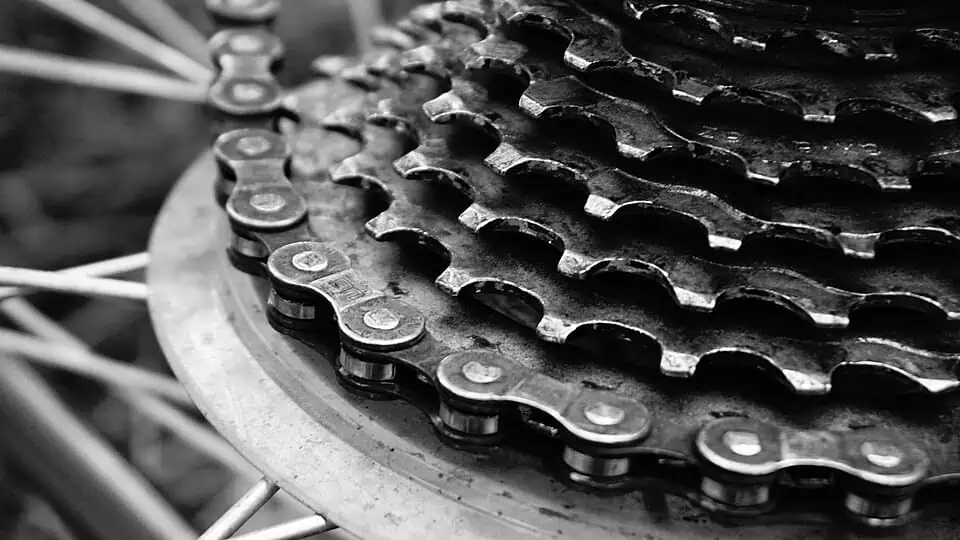
Nothing dramatic. That’s the problem — the parts that wear out in year one are quiet about it, and the ones that cost you money are the ones you replace late.
Three thousand kilometres is roughly a season of weekend riding, or four months of a decent commute. It’s also the point where a new bike stops being new in every way that matters mechanically. Nothing on a well-built modern road bike should fail in that window. But several things will reach the end of their service life, and the difference between catching them and missing them is the difference between a €25 part and a €250 one.
Here’s what to actually watch, in the order it happens.
500 km: the settling-in problems
The first few hundred kilometres are when a new build reveals its assembly.
Spokes bed into their seats and lose a little tension, which shows up as a wheel that’s drifted slightly out of true. Cable-actuated systems stretch their housing compression out. Bolts that were torqued at the shop settle. None of this is a defect — it’s why bike shops have historically offered a free first service somewhere around the 30-day or 500-kilometre mark, and why skipping it is a false economy.
The one to watch for yourself: creaking. A creak that appears in the first month usually isn’t a broken part, it’s an interface — seatpost, stem faceplate, bottom bracket, or pedal threads. Modern press-fit bottom brackets have a well-earned reputation for creaking earlier than threaded designs, and a press-fit creak at 500 km is annoying rather than alarming.
800–1,600 km: brake pads, if you’re unlucky with conditions
Brake pads are the least-documented consumable in cycling. Neither Shimano nor SRAM publishes mileage figures, because terrain and braking style swing the answer by roughly four times. The working ranges people quote are around 800 to 3,200 km for resin pads and 1,600 to 5,600 for sintered — directional at best.
What is documented is the threshold, and the two major brands express it differently. SRAM says inspect monthly and replace when the total thickness of pad material plus backing plate is 3 mm or less. Shimano specifies replacing before the friction material itself wears to 0.5 mm, which works out to roughly 1.5 mm overall including the backing.
Know which system you’re on, because the gap between those two numbers is real. A new pad is around 4 mm total: about 3 mm of friction material on a 1 mm backing plate. Once you’re below half a millimetre of friction material, what’s contacting the rotor is essentially metal, and a €20 set of pads becomes a €40 rotor.
Wet riding is what kills the estimate. Water carries grit between the pad and the braking surface and acts as a grinding compound, and long descents add heat on top of that.
Every 2–6 months: your tubeless sealant is already dead
This is the one most riders get wrong, because it’s governed by a calendar rather than an odometer.
Sealant dries out in roughly two to six months depending on brand and climate. A tyre with plenty of tread that can no longer seal a thorn puncture isn’t protecting you at all — it’s just a tyre with dried latex flakes rattling inside it. If you set up tubeless in March and haven’t topped up by autumn, assume you’re running unsealed and pack a tube.
Hot, dry climates are the fast end of that range. If you’re riding through a Mediterranean or Balkan summer, plan on the short interval.
1,500–3,000 km: the chain, and this is the expensive one
Chain wear is where most of the money gets lost, and it’s almost entirely avoidable.
The mechanism is misunderstood. Chains don’t stretch — the side plates don’t lengthen. The pins and bushings wear against each other, each link sits fractionally looser, and the effective pitch of the chain grows. A new chain measures 304.8 mm across twelve links. At 0.5% wear that’s about 306.3 mm; at 1% it’s about 307.8 mm.
The thresholds that matter on a modern drivetrain:
- 0.5% — replace the chain. On 11-, 12- and 13-speed drivetrains this is the number. One part, done.
- 0.75% — you’re replacing the chain and probably the cassette.
- 1.0% — the cassette teeth have reshaped themselves around your worn chain. Fit a new chain and it skips under load. New chain, new cassette, possibly chainrings.
The trap is that modern narrow cassettes are less tolerant than older ones. If you run 12-speed and wait until 0.75% because that’s the figure you remember from an eight-speed bike, you’re already into cassette damage.
Mileage is a bad predictor here — contamination matters more than distance, and independent testing has found that uncontrolled conditions can produce wear rates two to three times higher than dry riding over the same distance. Check every 300 to 500 km on road, more often after gritty or wet blocks. A chain checker costs about €15 and the measurement takes under a minute, which makes it the highest-return habit in bike maintenance relative to time spent.
If you want to go further, rotating two or three chains keeps every chain in the set at low wear and stretches cassette life dramatically.
3,000 km and beyond: rotors, and the things nobody measures
Disc rotors have no useful mileage figure — wear depends on rotor type, pad compound, rider weight, braking style, terrain and cleaning regime. The number that counts is the minimum thickness stamped on the rotor itself, and that’s a safety item, not a suggestion.
There’s a subtler issue too. Grit cuts grooves into a rotor over time, so a rotor that looks fine to the eye may no longer mate properly with fresh pads — the new pads get ground down to match the damaged surface, with poor braking while it happens. One reasonable rule is to replace rotors every second or third set of pads.
Bar tape is the opposite case: no interval at all. Replace it when it’s compacted hard, slippery with sweat and grime, or unravelling. Some riders do it twice a year, others go years.
The short version
| Part | What triggers replacement |
|---|---|
| Chain | 0.5% on a chain checker, checked every 300–500 km |
| Cassette | When a new chain skips on it |
| Disc pads | 3 mm total (SRAM) or 0.5 mm friction material (Shimano) |
| Rotors | Minimum stamped thickness, or every 2–3 pad sets |
| Tubeless sealant | Every 2–6 months, regardless of distance |
| Bar tape | Feel, not mileage |
| Bottom bracket | When it creaks and won’t stop after a proper reinstall |
Almost none of this is about things breaking. It’s about a small number of parts that are designed to wear, and one — the chain — where being 1,500 km late turns a cheap job into an expensive one.